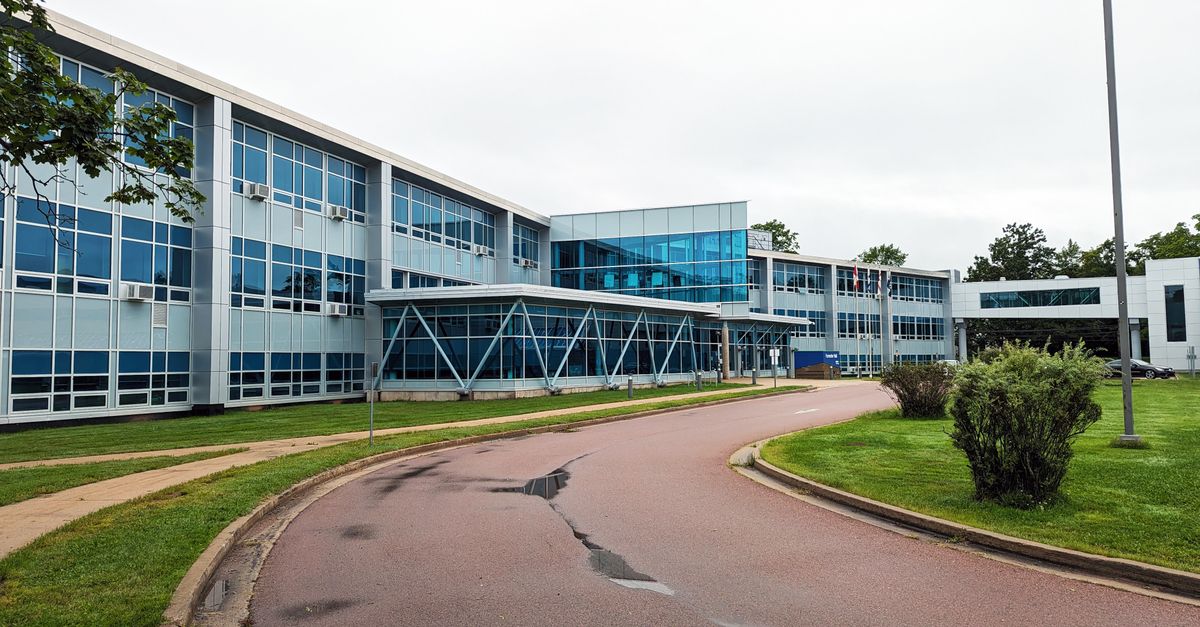
Prosper Schools and Family Life: What Makes the District Worth the Move
Prosper ISD's top-ranked schools and family-friendly communities make it a destination for families prioritizing education. Here's what the district actually offers.

Prosper Independent School District serves over 22,000 students across schools that have become reference points in statewide education conversations. The district isn’t coasting on historical reputation. Current performance data shows math proficiency averaging 66 percent versus the Texas state average of 44 percent. Reading proficiency averages 70 percent versus the statewide 51 percent. Those margins aren’t tight. They represent substantial outperformance relative to baseline state performance.
The ranking data reinforces the performance numbers. Schools in Prosper average 10 out of 10, placing them in the top 5 percent of Texas public schools. That’s not hyperbole. That’s actual comparative ranking. For families making location decisions based on educational outcomes, those numbers drive consideration.
The Resource Investment Reality
Prosper ISD is a very wealthy district with access to top-notch facilities. The statement requires unpacking because “wealthy district” means different things depending on context. The district has high per-pupil spending, substantial capital budgets for facility construction and renovation, and purchasing power that allows investment in technology and programs that resource-constrained districts can’t support.
The new school construction reflects that investment. Newly built schools typically feature modern HVAC systems, updated technology infrastructure, and facilities designed with current understanding of what schools need functionally. The well-maintained campuses with advanced technology create environments where students can actually learn without facility limitations becoming distractions.
The newest school builds reflect specific program focus. Rock Hill High School, opened more recently than Prosper High School, emphasizes advanced STEM and technology programs. That program specialization requires facilities and resources. The specialized focus also attracts students interested in specific subject areas, creating cohorts of similarly motivated learners.
Elementary School Options and Philosophy
Featured elementary schools demonstrate the variety available across the district. Stuber Elementary School operates with emphasis on supportive environment and strong foundational learning focus. That positioning addresses early elementary’s critical role in establishing academic fundamentals and learning dispositions that shape later success.
Folsom Elementary School emphasizes STEM, arts, and athletics. The broader program scope assumes that elementary education serves multiple purposes beyond core academics. Arts integration builds creative thinking. Athletics develop physical capability and team dynamics. STEM programs position early learners in emerging fields. The multi-dimensional approach reflects contemporary understanding of what elementary education should accomplish.
Hughes Elementary School encourages critical thinking and creativity. That positioning contrasts slightly with foundational focus while still maintaining academic rigor. The explicit emphasis on critical thinking acknowledges that memorization and procedure acquisition aren’t sufficient. Students need to develop independent analytical capability.
The variety available means families with different educational philosophies have options. You’re not forced into a single approach. If your family prioritizes foundational academics, schools exist focused on that mission. If you want broader STEM integration, those schools exist. The choice availability creates better family-school alignment than single-model districts achieve.
Advanced Programs and Career Pathways
One of Prosper ISD’s signature strengths is its innovative career and technical programs. The cosmetology, cybersecurity, CNA, and EMT pathways represent practical educational routes for students who benefit from vocational focus alongside traditional academics. The programs exist in modern facilities designed for current industry practices rather than outdated shop classes.
The cybersecurity program specifically reflects industry relevance. Technology sector demand for skilled practitioners creates genuine employment pathways. Programs positioning students for those jobs create legitimate alternatives to traditional four-year college trajectories. Some students excel in project-based, hands-on learning. Career pathways serve those students while creating market-valuable credentials.
CNA and EMT pathways create entry points to healthcare fields. Those credentials result in immediate employment opportunity upon graduation. The programs combine classroom learning with practical certification, which means graduates emerge employment-ready rather than requiring additional training.
The career pathway approach reflects educational equity. Not every high school graduate will attend traditional four-year universities. Creating high-quality alternatives that lead to sustainable careers serves the majority of students. Prosper’s investment in these programs suggests district commitment to serving diverse student needs rather than defaulting to single-track college preparation.
High School Options and College Preparation
Prosper High School operates as the district’s flagship institution. The designation reflects historical precedent and current performance. The rigorous academic programs, state-of-the-art facilities, and extensive extracurricular activities create comprehensive high school experience. The reputation attracts motivated students and teachers committed to high performance.
Rock Hill High School as the newer flagship demonstrates the district’s continued investment in high-performing education. The advanced STEM focus creates specialized identity that appeals to specific student populations. The newer facilities incorporate current understanding of what educational spaces should provide.
The existence of multiple strong high schools prevents single-school dominance. Academic competition between institutions encourages continuous improvement. Students benefit from programs tailored to their interests rather than forced fit into single-model institutions.
Private School Alternatives
For families seeking alternatives to public schools, Prosper offers access to private institutions including Legacy Christian Academy. The academy emphasizes college preparation and character development, providing options for families with specific educational or religious priorities. The existence of viable private options suggests diversity of parental choice rather than public school monopoly.
The coexistence of strong public and private options creates competitive environment where quality improves. Families choose based on fit rather than settling for default options. That choice dynamic benefits the entire educational ecosystem.
Family Community Integration
Prosper ISD’s quality creates broader community cohesion. Families relocating to the area often cite schools as primary motivation. That concentration of family-oriented migrants shapes neighborhood character. Young family demographics create communities oriented toward childhood and parenting. That orientation shapes everything from park programming to retail hours to community event focus.
The school focus creates social cohesion around child development. Parent groups, booster organizations, and volunteer networks develop around school participation. Those networks become sources of friendship and support for families relocating to new communities.
Performance Sustainability Questions
The natural question about exceptional districts is sustainability. Can Prosper maintain current performance as enrollment continues growing? Will population growth dilute the district’s advantages? The answer depends partly on district willingness to continue capital investment and partly on factors outside school control.
Current trajectory suggests continued strength. The district’s financial position allows continued facility investment. Demographic trends bringing educated professionals to Prosper create stable parent communities supporting academic focus. The competitive environment with strong alternative options in nearby districts creates retention pressure.
That said, dramatic enrollment growth challenges any district. The 22,000+ student enrollment is substantial. Further significant growth requires continued infrastructure investment. The district’s current track record suggests capacity to manage growth without performance degradation, but trends can shift.
School-Based Lifestyle Considerations
Choosing Prosper for schools means accepting that school programming shapes family calendars. High-performing districts typically feature demanding academic schedules, extensive extracurricular competition, and high parent involvement expectations. Some families thrive in that environment. Others find it overwhelming.
The community orientation around schools is simultaneously strength and potential limitation. The strong academic focus creates excellence. The community social structure around schools means non-school-focused activities sometimes feel secondary. Families prioritizing school outcomes will find Prosper ideal. Families seeking different lifestyle balances might experience the school focus as pervasive.
The Reality Check
Prosper ISD’s performance metrics are genuine. The schools are genuinely excellent by measurable standards. The investment in facilities, teachers, and programs is real. Families prioritizing educational outcomes are making reasonable decisions when considering Prosper.
That said, excellent schools don’t guarantee individual student success. Excellent facilities don’t create learning if students lack motivation. Strong academic programs don’t serve students who aren’t engaged. The district provides excellent infrastructure. Individual families must create conditions where students benefit from that infrastructure. The combination—excellent schools and engaged families—creates outcomes that Prosper families experience consistently. Separate either element and results deteriorate. The district’s success reflects both strong institutions and parent populations committed to supporting educational outcomes.
The Prosper Insider
The latest local openings, reviews, and weekend events — delivered to your inbox.